
What Is Mortgage Rate Protection?
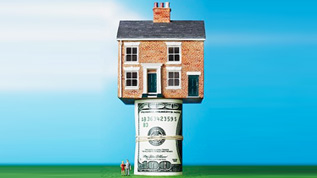
Even if a borrower is approved for a home loan with a low rate, the rate is not always guaranteed. Because mortgage rates fluctuate continually, the current rate in which the borrower qualifies for may rise before closing time. Borrowers who barely qualified for a particular loan amount may suffer because rate increases equal higher payments. In effort to prevent a rising rate, many borrowers opt for rate protection.
Once borrowers receive a rate protection from their mortgage lender, they are protected in the even that mortgage rates continue to rise before closing. Rate protection serves a two-fold purpose. Not only will the borrower avoid paying more for their loan, but if rates were to decline, the mortgage lender will often offer a lower rate. In this situation, borrowers enter a win-win situation.
Ideally, homebuyers opt for quick loan closings, or closings within 30 days. Of course, certain circumstances can prolong closing. For this reason, borrowers may choose a rate protection that is valid for up to 90 days. If the home loan is not finalized before the rate protection expires, the borrower is eligible to receive a new rate protection at the current market rate.
Rate protection is very similar to loan locking. Both options involve the borrower qualifying for a low rate mortgage and receiving a rate cap, which shields them from paying more interest if rates increase. On the other hand, loan locks do not offer an automatic rate reduction if interest rates decrease. To qualify for a lower rate, the borrower would have to allow the lock to expire, and then re-lock.


Investing Advice

Personal Finance


Site Resources


Indemnification
Indemnification is the legal right to be reimbursed pursuant to an indemnity for damage or loss...

What's a home inspection?
A home inspection is when a paid professional inspector -- often a contractor or...