
Finding Bargains in the Mortgage Meltdown
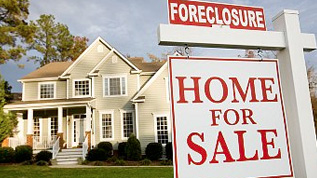
The wide assortment of homes available due to loss of home value and home foreclosures provide bargain opportunities to prospective home buyers. A buyer looking for a deal can save in several ways. They can search the Internet, drive around a neighborhood, visit banks and lenders for Real Estate Owned (REO) listings, visit the county clerk’s office and/or go to foreclosure auctions.
There are several popular web sites with Multiple Home Listings (Multiple Listing Service or MLS). To find a motivated seller, look for homes that have been on the market for more than one year.
Using MLS Home Listings
The problem with MLS home listings is that, quite often, the seller is asking too much for the property, not out of greed, but due to fallen home values that cause the mortgage or note on the house to be worth more than the home value. If the home has not been foreclosed on by the bank or set up as a short sale, purchasing the house at a discount could prove problematic.
A short sale is when the bank offers a home for less than the amount of the mortgage; in other words, the lender falls short of their profit. Many banks and real estate agents do not do short sales, due to the myriad problems associated with a short sale. If buying a short sale, remember to be patient; the sale often takes a long time to close.
Researching the Neighborhood
A good approach is to drive around a neighborhood where you would like to purchase a home. You may find homes for short sale, foreclosed and/or vacant.
Vacant homes are usually the easiest to buy at a bargain since they are sometimes not yet owned by the bank. The owner is in a better position to make a quick sale. Vacant properties are usually self-evident, an overgrown yard, a lot of junk mail in the mailbox; a For Sale sign may or may not be posted.
To search for the vacant home owner, visit the local county recorders office or a title company. There are also several websites that list home ownership such as www.titleplus.com. You can even ask the post office for a forwarding address to contact the home owner. These homes may not yet be in foreclosure, but the owner may be motivated to sell.
Find Local Home Values
Remember, home values may continue to fall, so do some research on local home values before making an offer. Give yourself some negotiating leverage and do not offer the maximum amount you think the home is worth until you feel you have to. A good investment of $100 is to get an automated valuation model (AVM); it electronically searches public records to find recent home sales and their value.
Contacting a trusted local real estate agent may be a good idea. They will be familiar with motivated sellers. You can negotiate a broker fee with the agent; ask if they provide a flat fee-for-services.
The classifieds in the newspaper or online, such as www.craigslist.org, can be a good resource. Motivated sellers may have their homes for sale or you can place an ad looking for a seller.
Finding Foreclosures
The county clerk’s office can provide prospective buyers with a listing of foreclosures. Foreclosure sales and auctions are also published once or twice weekly in the local paper.
You can visit banks or any local lender and ask for their Real Estate Owned (REO) list. Due to the number of foreclosures many have set up 1-800 call centers that have an up-to-date list of foreclosures available to prospective home buyers. Due to high call volumes, be prepared to wait before speaking with a customer service agent.
Finally there is the tried and true method of asking friends and family if they know of any motivated sellers. More often than not, a buyer can find the home they are looking for through word of mouth.
Additional Resources:
- U.S. Department of Housing and Urban Development: www.hud.gov
- Move, Inc.: www.move.com
- Homes Advisor: www.homeadvisor.com
- Home Gain: www.homegain.com


Investing Advice

Personal Finance


Glossary

Site Resources


Rent Control
"Rent control" is a municipal or city regulation restricting the amount of rent that...

What is a PPO?
PPO stands for preferred provider organization. PPOs are made up of doctors, hospitals,...