
How to Save Money on Car Insurance
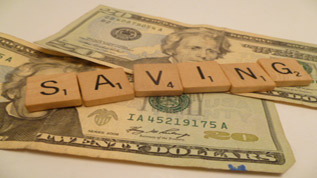
Car insurance is a necessity for everyone who operates an automobile. It is also a major, on-going expense. Even though we might go to a different grocery store every week to make sure we get the best price on milk and produce, we don't always shop around to make sure we are getting the best rate on car insurance. Consumers have a tendency to stay with the same insurance company and keep the same coverage year after year, even though the Internet has made it simple for people to analyze coverage and compare premiums for different companies.
Here are some things to consider when looking at ways to save money on your car insurance:
Shop Around - Prices can vary greatly from company to company. Shop around periodically to make sure that you are getting the best deal on coverage. Ask your friends and co-workers who insures their vehicles, and call or go online to get quotes from their providers. Make sure you are comparing apples to apples, and only get quotes from reputable carriers that are licensed in your state.
Maintain a Good Driving Record -- It should go without saying that you must keep your driver's record clean and up-to-date. Insurance companies typically offer better rates to those who remain accident and violation-free.
Assume More Risk - You may want to adjust your coverage to assume more risk. The lower your deductible, the higher your premium will be. Maybe you would be better off carrying a higher deductible with a lower premium. You can also save by reducing your limits of liability, assuming the coverage you have is adequate to protect you. Keep in mind that most states require minimum levels of coverage.
Adjust Coverage as the Car Gets Older - As your car gets older, you may not need as much physical damage coverage. Take a look at reducing the amount of collision coverage you have, particularly if you are driving an older car. You may be paying more to insure your older car than it is actually worth.
Safety Features -- Safety features play a major role in car insurance rates. Features like air bags, anti-lock brakes, automatic seatbelts and theft-deterrent systems can result in reduced insurance premiums. Make sure your insurance provider is aware of all of your vehicle's safety features.
Avoid the "Hottest" Models - When you want to save money on car insurance, drive a car that is less expensive to insure. Makes and models that are stolen more frequently than others are more expensive to insure. Make sure you aren't driving a vehicle considered to be a high theft risk. Additionally, the more expensive repairs are likely to be, the higher the insurance premiums will be. As a general rule of thumb, the more the car costs, the higher the premium will be. The higher-performance sports cars are likely to carry higher premiums than the practical, lower-performance sedan models.
Take Advantage of Discounts -- Make sure you are getting credit for all of the discounts you qualify for. Are you a member of AAA? Do you belong to a professional organization that qualifies for reduced coverage benefits with a particular insurance provider? Are group insurance rates available to employees of your company? If you carry insurance for a teenager who makes good grades, are you participating in your provider's discount program for good students?
Combined Discounts -- Are your home, auto, and business insurance needs covered by the same provider? If so, you are likely to qualify for a combined coverage discount, which will result in a savings on all of your policies.
Renewal Discount -- Many companies offer renewal discounts to reward long-term customers who haven't had to file a claim. A renewal discount is a good tool for keeping great customers. It can pay to stay with an insurance provider who rewards you for your loyalty.
There are many ways to save money on your car insurance. Do your homework before you renew your policy to make sure that you are getting the coverage that is best for you at the best rate.


Investing Advice

Personal Finance


Site Resources


Options Backdating
"Options backdating" refers to the granting an option that is dated prior to the date...

What Is EBITDA?
EBITDA (pronounced E-Bit-Dah) is an acronym that stands for Earnings Before Interest,...